I've been working with chocolate professionally for years now, teaching courses and making bars in my workshop, and one of the questions I get asked most often is "when did chocolate actually arrive in England?" Most people assume it's been around forever, or at least since Victorian times with Cadbury and all that.
But the real story is so much more fascinating - and stranger - than you might imagine. Chocolate first turned up in England in the 1650s, nearly a century after the Spanish had discovered it in the Americas, and when it arrived, almost nobody knew what to do with it.
In fact, it was phenomenally expensive - we're talking around £50 per pound in today's money - and it was drunk rather than eaten, often prescribed by apothecaries as medicine for everything from consumption to hangovers.
Before the famous chocolate houses of London became fashionable meeting spots for gentlemen, there was this weird, tentative period where chocolate was this mysterious foreign substance that people were simultaneously fascinated by and deeply suspicious of.
That's the story I want to tell you - how this strange, bitter drink from the West Indies made its awkward, expensive entrance into English society, and why it took decades before anyone really figured out what to make of it.

Timeline of early chocolate history in England (1580s – 1690s)
1580s – 1600s: Cocoa beans mistaken for sheep droppings
English boats, including those led by Sir Francis Drake, occasionally captured Spanish ships carrying cacao beans. Not knowing what they were, English sailors famously dumped "worthless" cargoes of beans into the sea, mistaken for sheep dung or useless seeds.
1655: Capturing Jamaica & first cocoa plantations
English forces under Admiral Penn and General Venables seized Jamaica from the Spanish. This is the single most important date in British chocolate history. It gave England its own cacao plantations and a direct trade route, ending the Spanish monopoly.
1657: The first official chocolate sale
A Frenchman opened the first recorded shop selling chocolate in Bishopsgate Street, London. This was the first time the public could buy chocolate "ready-made" or as a paste to take home.
1660: The royal endorsement by King Charles II
King Charles II was restored to the throne. Having spent time in European courts, he brought a taste for luxury back to England. Chocolate became the "it" drink of the Restoration Court, and its status as an aristocratic drink was confirmed.
1661: The first chocolate tax
Recognizing its growing popularity and value, the English government imposed the first excise tax on chocolate. It was taxed by the gallon of liquid chocolate produced, treated more like ale or spirits than a food item.
1662: The medical debate about chocolate
Henry Stubbe, a physician to King Charles II, published The Indian Nectar, a book-length study on chocolate. He argued over its medicinal benefits, claiming it could help with everything from digestion to "the vapors," further driving interest among the wealthy.
1689: Hot chocolate is made with milk for the first time
Sir Hans Sloane, an Irish doctor and collector, travelled to Jamaica. He found the local cocoa drink too bitter and greasy, so he experimented by mixing it with milk and sugar. He brought this recipe back to England, where it was eventually sold to apothecaries (and much later, the recipe was bought by the Cadbury brothers).
1693: The change from medicinal drink to drink for all
White's, the most famous of all chocolate houses in London, opened as "White's Chocolate House" on St. James's Street in London. This marked the end of chocolate as a purely medicinal or private drink and the beginning of the era of the high-society Chocolate House.

English early encounters with cocoa beans
Chocolate first reached English shores in the 1650s, a time of massive change and exploration. While the Spanish had guarded the secret of the cocoa bean for over a century, trade routes were finally opening up.
Before the famous chocolate houses became the talk of the town, chocolate was a mysterious, high-priced import handled mostly by explorers and scientists. In the early 1600s, English privateers often attacked Spanish ships and found "strange-looking beans" that they initially thought were sheep droppings. Legend has it that some frustrated sailors even burned or dumped entire cargoes of cacao into the sea because they had no idea how to prepare it!
The first cocoa plantations in Jamaica
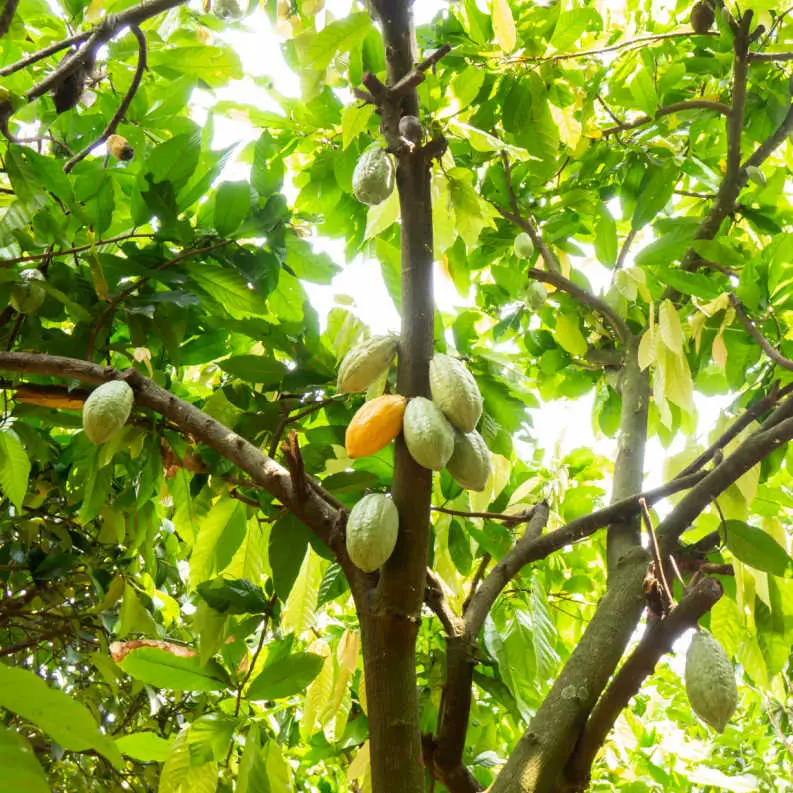
Chocolate arrived during the era of Oliver Cromwell, but it was the capture of Jamaica in 1655 that truly changed the game, giving England its own direct supply of cacao beans.
The capture of Jamaica in 1655 was the most significant turning point for chocolate in England. Before this, the Spanish Empire held a global monopoly on cacao. If an English merchant wanted cocoa beans, they had to buy them from Spanish middlemen at exorbitant prices or seize them from captured Spanish ships.
When English forces under Admiral Penn and General Venables seized Jamaica, they didn't just win territory; they won established cacao groves. The Spanish had already planted trees across the island, particularly in the fertile St. Catherine and St. Mary parishes.
For the first time, England had its own "domestic" supply chain. This meant the Crown could control production, bypass Spanish taxes, and ensure a steady flow of beans directly to London's docks.
Once the English took control, they expanded these groves. By the 1670s, Jamaica was exporting substantial amounts of cocoa, alongside sugar and indigo.
Jamaica also provided a massive supply of sugar. This was crucial because the original Mesoamerican chocolate recipes were bitter and the English preferred the sweeter version of their chocolate.
Early crop problems in Jamaica
Despite the success, early English chocolate making was a gamble. Cacao trees are notoriously difficult to grow; they require specific shade and humidity. In the late 17th century, a series of "blasts" (likely fungal diseases) wiped out many Jamaican plantations.
This caused the price of chocolate to skyrocket again, keeping it a luxury for the wealthy for much longer than the English government had hoped.
The Bristol harbour chocolate link
Because Jamaica was a British colony, ships often sailed directly into Bristol, one of England's busiest ports. This is exactly why Bristol became the chocolate capital of the UK, paving the way for the Fry family to start their business there in the 1700s. Without the Jamaican supply line, the famous Bristol chocolate industry might never have started.

What did people call chocolate in 17th century England?
The names people used for chocolate in 17th century England were all over the place, which I think is quite charming. The most common term you'd see in advertisements was "West India Drink" - this made it clear that the beans came from Jamaica and the Caribbean (then called the West Indies), signaling to customers that this was an expensive, imported luxury worth paying for.
A more poetic name was "The Indian Nectar," popularised by Dr Henry Stubbe in his 1662 book of the same name - "Nectar" suggested it was a drink of the gods, while "Indian" again referenced the West Indies origin.
You'd also hear it called "The Spanish Delight" because the English had learned the recipes from the Spanish, who'd kept chocolate-making secret for a century. This usually meant the spiced, water-based Spanish style, as opposed to the plainer cocoa sold by apothecaries.
And then there's the spelling chaos - "Jocolette," "Chocolette," "Chocolata" - 17th century spelling was wildly inconsistent, and Samuel Pepys famously wrote about drinking "Jocolate" in his diaries.
The first ever chocolate sale in England
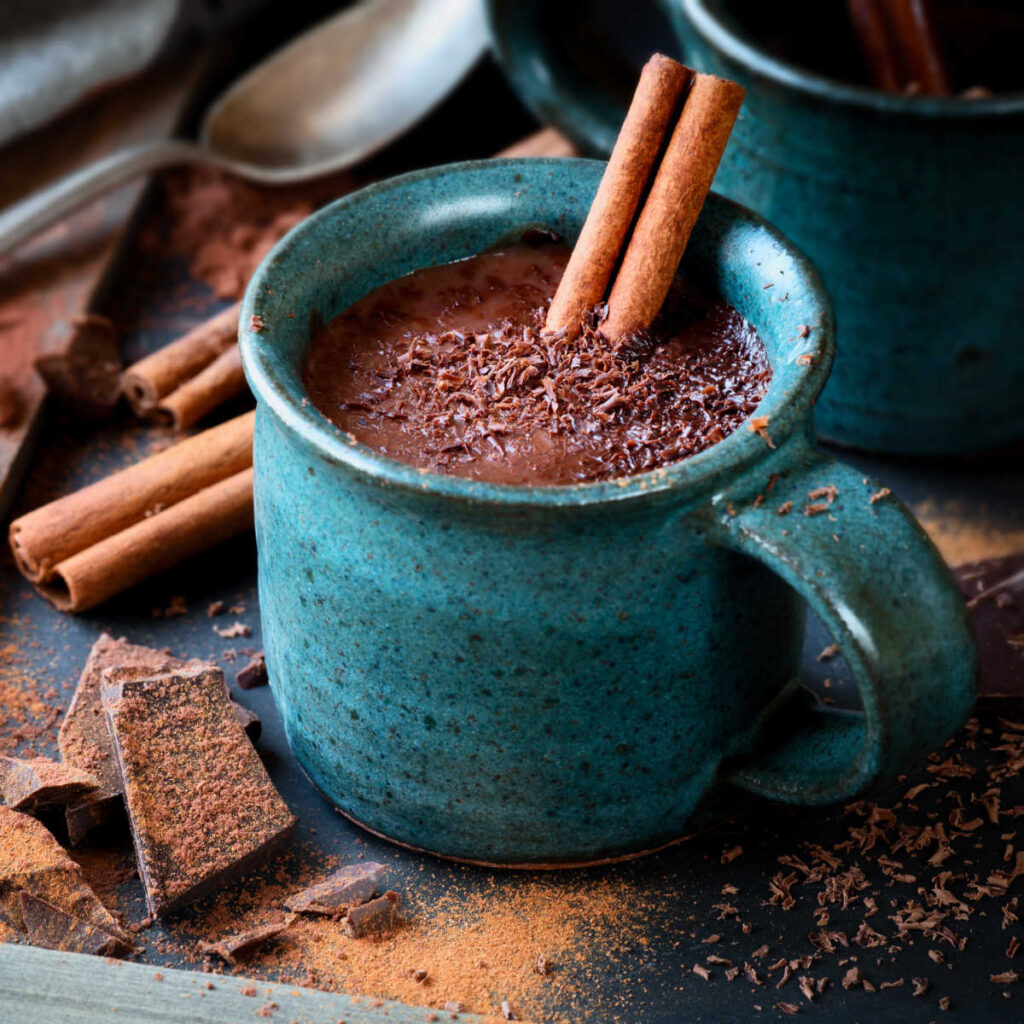
The very first mention of chocolate for sale appeared in a 1657 London newspaper advertisement. A Frenchman opened a shop in Bishopsgate Street and advertised an "excellent West India drink." At the time, people viewed it as a medicinal wonder. Doctors prescribed it to treat everything from lung disease to tiredness. Because it was incredibly expensive to import, it quickly became a status symbol for the wealthy and the elite.
The famous first chocolate advertisement (1657)
The first-ever chocolate advert in England appeared in The Publick Adviser and read:
"In Bishopsgate Street in Queen's Head Alley, at a Frenchman's house, is an excellent West India drink called chocolate, to be sold, where you may have it ready at any time, and also unmade, at reasonable rates."

The Spanish Delight - hot chocolate drink
Back then, the drink was a far cry from a modern hot chocolate. It was thick, oily, and often flavoured with unusual ingredients like pepper, chilli, or even jasmine and ambergris.
Since the technology to remove cocoa butter didn't exist yet, the drink was very heavy. It remained a luxury for the upper classes for nearly two centuries until the industrial revolution finally brought it to the masses.
Early English chocolate makers followed a method that involved heavy spices and a very specific preparation technique. To make a single batch of the paste, a cook would use the following ingredients, then add hot water and whisk everything together to make the hot chocolate drink.
- 1lb of roasted Cacao beans
- 1lb of Sugar
- ½ oz of Cinnamon
- 14 grains of Musk or Ambergris
- A pinch of Chilli or Black Pepper
Sir Hans Sloane invention of milky hot chocolate
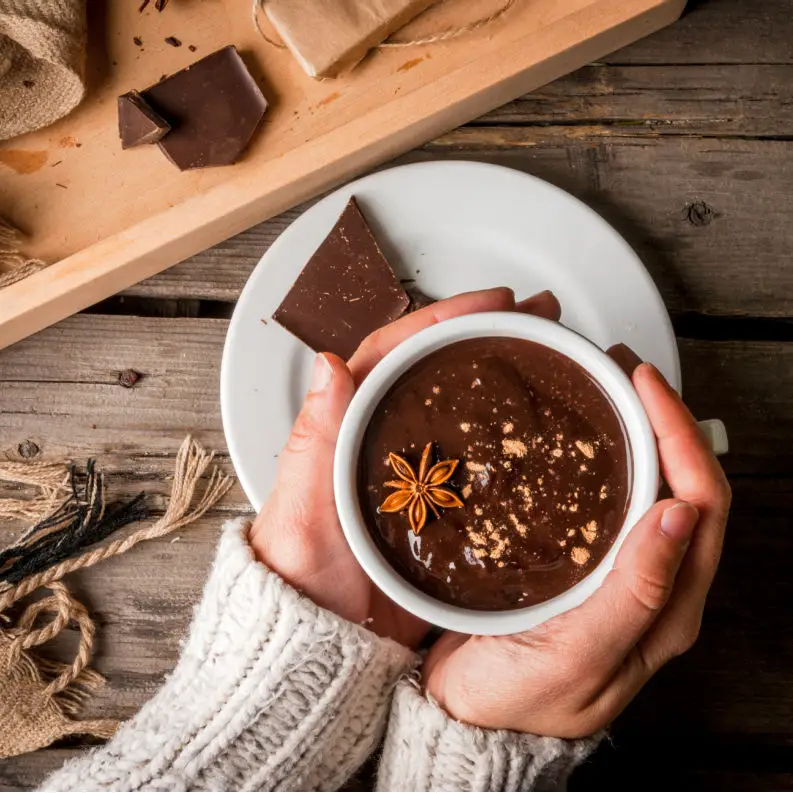
One of the most important names from this early period is Sir Hans Sloane. While he is often associated with the later 1600s, his travels to Jamaica allowed him to study how the locals prepared cocoa. He found the pure, oily drink quite nauseating, so he suggested mixing it with milk to make it more palatable. Sloane pretty much invented hot chocolate that was very close to the creamy milk chocolate we enjoy today.
Sir Hans Sloane’s Milk Chocolate Recipe
The following recipe is based on the 18th-century "Sloane's Milk Chocolate" that was eventually sold by apothecaries and later used as a marketing foundation for Cadbury. I like that this recipe is sweeter than the previous version, although not as as sweet as the Unicorn White Hot Chocolate recipe I've made the other day.
- 1 oz (approx. 28g) of Pure Cocoa Paste
- 1 Pint of Whole Milk
- 2 oz of Fine Sugar
- A pinch of Flour or Sago
- Vanilla
This version was designed to be restorative and gentle on the stomach. Sloane often added a thickener to give the drink a more substantial, "food-like" quality for patients. Unlike the spicy, water-based drinks of the time, this was smooth and creamy.
The chocolate mixture was brought to a gentle simmer (never a boil) and frothed using a chocolate mill (molinillo). Sloane believed the aeration made the drink lighter and easier to digest.
Because Sloane was a doctor, his recipe was sold in pharmacies as a health tonic. This gave chocolate a "wholesome" reputation that it had previously lacked.
In the 1820s, Nicholas Christopher moved into the chocolate business using Sloane's name and recipe. Eventually, the Cadbury brothers acquired the rights to the "Sir Hans Sloane's Milk Chocolate" branding, using his prestigious name to sell their own cocoa essence.
Cost of chocolate in early days
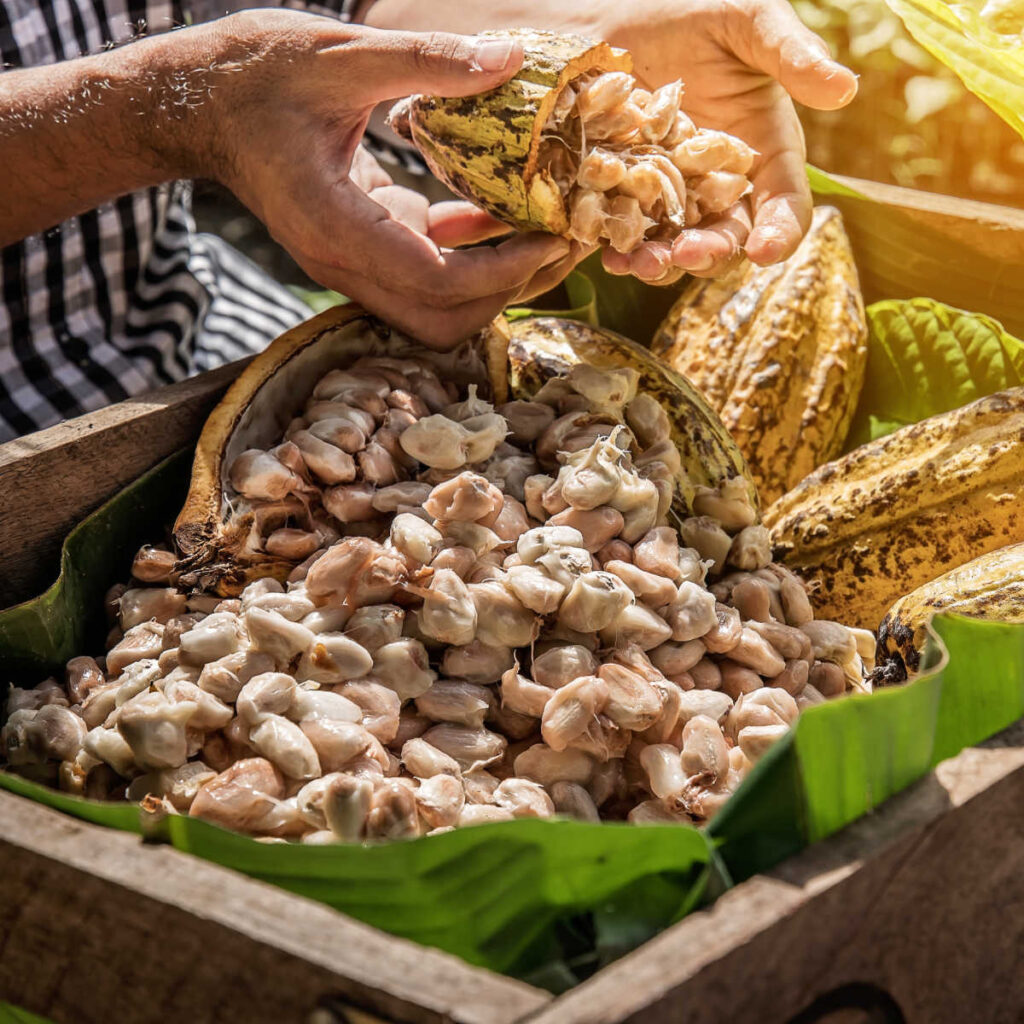
The cost of chocolate in the mid-17th century was staggering. To put it into perspective, a single pound of chocolate could cost as much as 10 to 15 shillings. In an era where a labourer might only earn a few shillings a week, chocolate was quite literally worth its weight in silver.
Because it was so pricey, only the most elite members of society, like the diarist Samuel Pepys, could afford it. Pepys famously recorded drinking chocolate in 1660 to settle his stomach after the coronation of King Charles II.
The early preparation of chocolate
The physical tools used to make chocolate were just as exotic as the beans. Since there were no factories, people made chocolate by hand using a metate—a curved stone tool inherited from Aztec traditions.
Early chocolate makers would heat the stone from underneath and grind the beans into a thick paste. This was exhausting, messy work, often done by servants in the kitchens of grand manor houses.

The influence of spice trade on chocolate flavours
Early English chocolate was also heavily tied to the "Spice Trade." Because the beans arrived alongside other colonial goods, the English started experimenting with flavours.
While the Spanish preferred cinnamon, the early English recipes often included nutmeg, cloves, and even musk or ambergris (which comes from whales). It was a far more fragrant and perfume-like experience than the simple hot cocoa we drink now.
Early chocolate houses
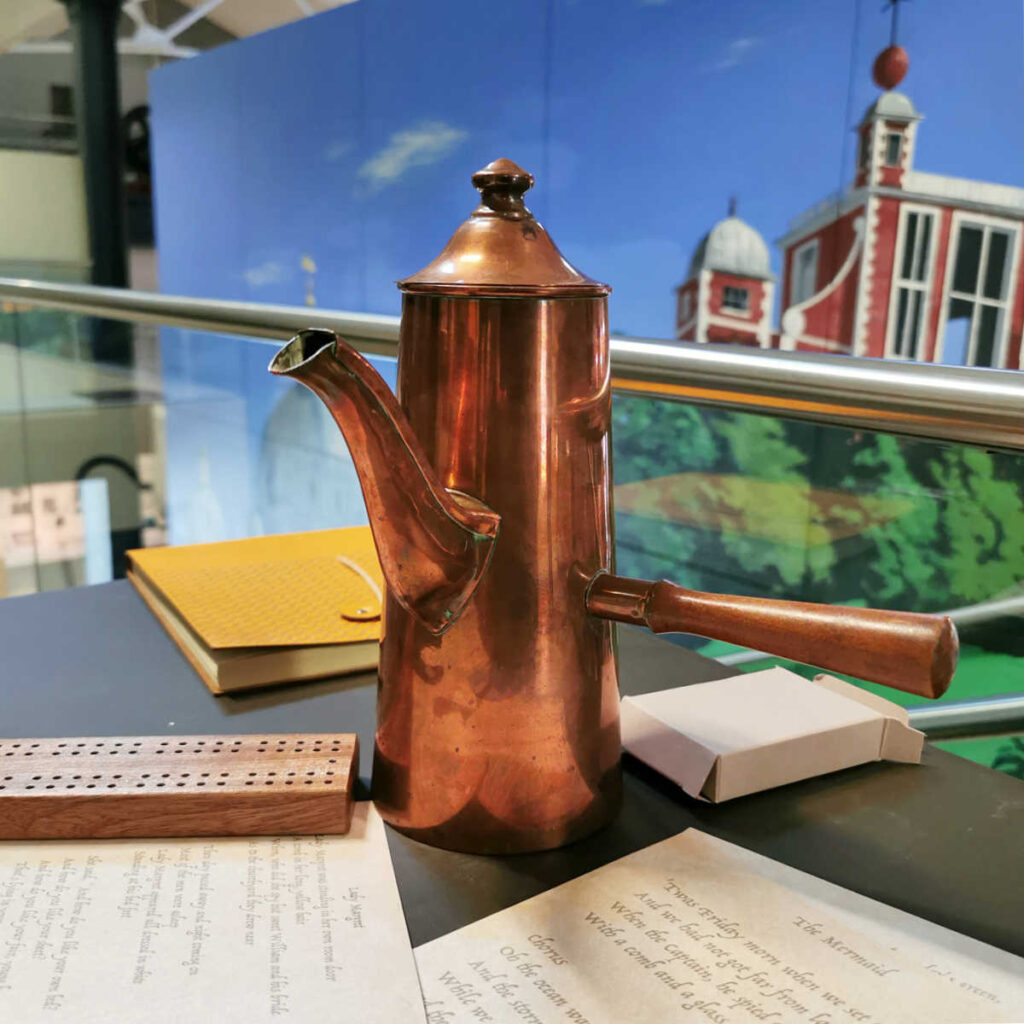
As King Charles II took the throne in 1660, chocolate culture exploded in London. Fashionable "Chocolate Houses" began to pop up, with White's and The Cocoa Tree becoming the most famous.
These weren't just cafes; they were exclusive, high-stakes hubs for gambling, political plotting, and gossip. Unlike the rowdy coffee houses of the time, chocolate houses were the playground of the aristocracy.
The church debate about fasting and chocolate
In the early days, there was a massive debate among English scholars and the clergy, whether drinking chocolate break a religious fast.
Because chocolate drink was so filling and nutritious, some argued it was a food, while others insisted it was just a drink. Eventually, the drink argument won, which made it the perfect loophole for those wanting a chocolate treat during Lent!
The 1657 "Water & Spice" Chocolate Recipe
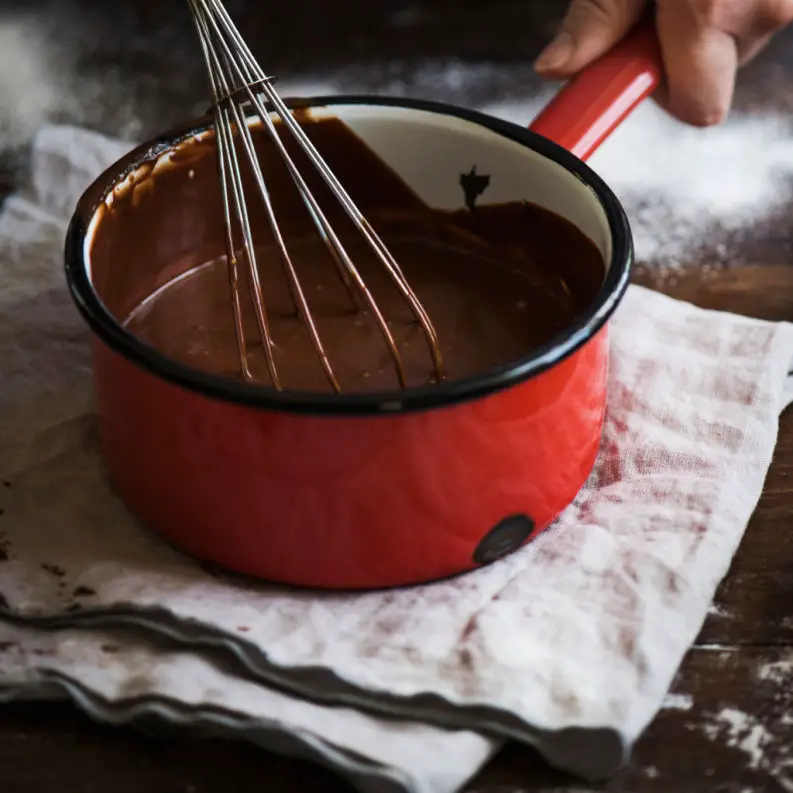
In 1657, chocolate was a gritty, intense, and very fatty drink. Because the technology to separate cocoa butter didn't exist yet, the drink was incredibly rich and had a layer of oil on top. To make it palatable, the English used a mix of spices and a vigorous frothing technique.
I found a recipe based on the "West India Drink" style sold in London during the mid-17th century, which is very different to the modern hot chocolate made with Nutella I've made just the other day.
- 30g (approx. 1 oz) Pure Cacao
- 150 ml Water
- 1 tbsp Muscovado Sugar
- The Spice Blend:
- A pinch of Chilli or Pepper
- ½ tsp Cinnamon
- 1/4 tsp Nutmeg or Clovesa.
- Optional A drop of Orange Flower Water or a tiny scrape of Ambergris
The 17th-Century Hot chocolate Preparation Method
- The Paste: The maker would first crush the hard chocolate cake into a fine powder or a soft paste in a warm bowl.
- The Initial Mix: A small amount of boiling water was added to the chocolate and sugar. The cook would stir this into a smooth, thick "syrup" to ensure there were no lumps.
- The Brew: The rest of the boiling water and the spices were added. The mixture was then placed in a chocolatière (a tall metal or ceramic pot).
- The Mill: The cook inserted a molinillo (a wooden whisk) through the hole in the pot's lid. They would spin the whisk rapidly by rubbing the handle between their palms.
- The Froth: The goal was to create a thick, stable foam on top. This foam trapped the cocoa butter and made the drink feel lighter. The chocolate was poured from a height into a small, handle-less ceramic cup (called a tazza or dishing cup) to maintain the bubbles.
This blog post was originally written on 5 February 2026 and last updated on 5 February 2026


Leave a Reply