
Discover what makes raw chocolate different from regular dark chocolate. Learn about taste, production methods, shelf life & whether the premium price is justified.
You've probably seen raw chocolate popping up everywhere lately—in health food shops, on Instagram, and maybe even in your local supermarket's "wellness" aisle. It's being called the latest superfood, with supporters absolutely roaring about its benefits. But what actually makes it different from regular chocolate, and is it worth the hype?
Let me walk you through everything you need to know about raw chocolate, from how it's made to whether those health claims really stack up. I'll give you the insider knowledge so you can decide if raw chocolate deserves a place in your cupboard.

What Is Raw Chocolate? The Quick Answer
Raw chocolate is chocolate made from cacao beans that haven't been roasted and have been processed at low temperatures (under 42°C). This potentially preserves more nutrients, particularly heat-sensitive antioxidants and enzymes. It tastes different from regular chocolate—lighter, more bitter, with fruity or earthy notes.
The health claims have some scientific backing, though more research would be helpful. It's definitely not a miracle food, but it does offer nutritional benefits, especially when compared to milk chocolate or highly processed chocolate products.
It costs more, sometimes significantly more, than regular chocolate. Whether that's worth it depends on your priorities, budget, and taste preferences.
If you're curious, try it. Look for transparent brands with clear information about their processing methods. Start with a lightly sweetened variety if you're new to raw chocolate.
And remember, there's no wrong choice here—whether you love raw chocolate or prefer your chocolate roasted, you're still supporting an industry that brings a bit of joy to millions of people every day. Now, that's something we can all agree is pretty fabulous!

Is raw chocolate worth it?
I think raw chocolate has its place, especially if you're someone who's really focused on maximising the nutritional value of everything you eat. The potential for higher antioxidant levels is genuine, even if the research isn't completely conclusive yet.
That said, I don't think you need to feel like you're doing something wrong if you stick with good-quality dark chocolate instead. The health differences, whilst real, probably aren't massive enough to justify the extra cost if money is tight. A 70-85% dark chocolate from a reputable maker will still give you antioxidants, minerals, and that lovely feeling of treating yourself.
The quality control question does bother me a bit. Without strict regulation of what raw means, there's room for products that might not live up to their claims. This is why I keep coming back to transparency—buy from brands that are clear about their processes.
If you've never tried raw chocolate before, I'd say give it a go. Buy a bar, taste it mindfully, and see what you think. You might absolutely love it, or you might decide it's not for you. Either response is absolutely fine.
And here's the thing: you don't have to choose one or the other exclusively. I know people who keep raw chocolate for their morning smoothies and regular dark chocolate for evening treats. There's no rule that says you can't enjoy both.

How Is Raw Chocolate Made?
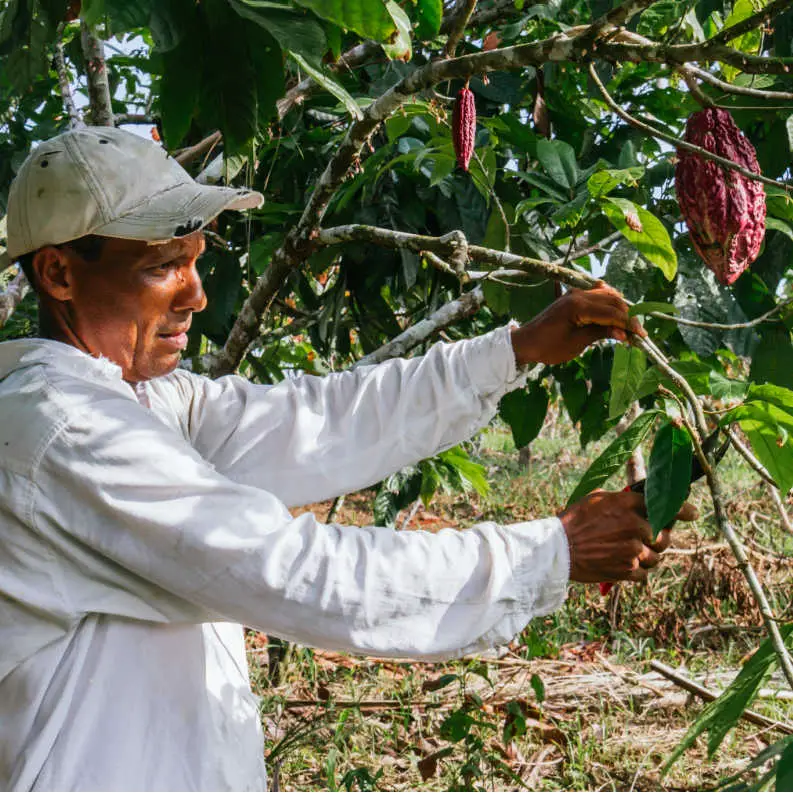
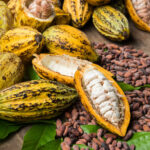
Making natural chocolate is already quite a complicated process. The cacao pods are harvested about twice a year, but have to be picked by hand before they're fermented and then roasted, ground down and pressed. After that, the cocoa beans are mixed with sugar and fats and eventually turned into the chocolate snack bars and sweets that we know and love.
Given all this, it's little wonder that some chocolate manufacturers have decided to shorten the process by not roasting the cacao beans. Instead, the beans are left out to dry naturally—hence raw chocolate.
Most raw chocolate is formed from cold-pressed or stone-pressed cacao beans, which are then made into cacao paste, butter or cacao powder. It's often sold in blocks like dark chocolate, but here's where it gets interesting: the entire process is supposed to happen at temperatures under 42°C. This is meant to preserve more of the natural goodness found in the cacao bean.

Preserving as much nutrition as possible
Supporters of raw chocolate say that by not roasting the beans, it allows the minerals naturally present in the cacao to be preserved. So there's a higher quantity and quality of iron, zinc, magnesium, enzymes and vitamin C in each serving. This would definitely make it better to eat from a nutritional point of view.
They also claim that unroasted cacao contains higher levels of antioxidants—almost double—than that of roasted cacao. Antioxidants are those helpful compounds that protect your cells from damage, and they're found in lots of plant foods. If raw chocolate really does contain more of them, that's quite significant.
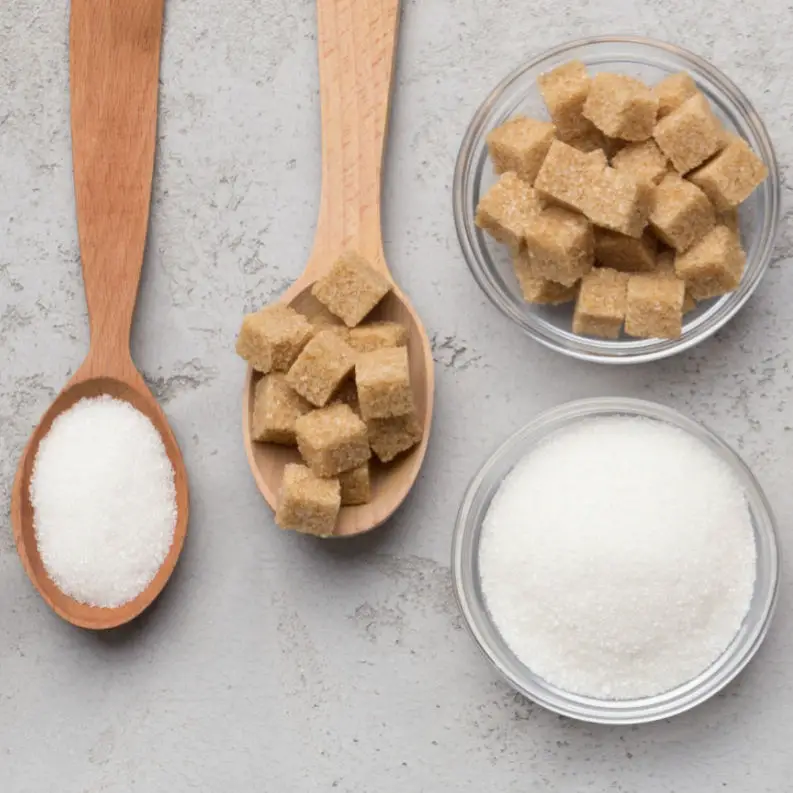
Raw chocolate is usually low in sugar
Strictly speaking, raw chocolate shouldn't contain any sugar at all. This might help with controlling your weight, dealing with cravings or improving your metabolism. Milk is another no-no, although some raw chocolate may include raw cacao oil or butter to give a creamy but dairy-free taste to the raw, bitter flavour of the chocolate.
Whether or not this actually improves the chocolate taste is probably a matter of personal opinion. I think most people find it takes a bit of getting used to—it's definitely more bitter and earthy than the chocolate you might be familiar with. That said, raw chocolate certainly keeps more minerals, nutrition and other delicious goodness than regular chocolate (if the processing is done properly, which I'll come to in a moment).
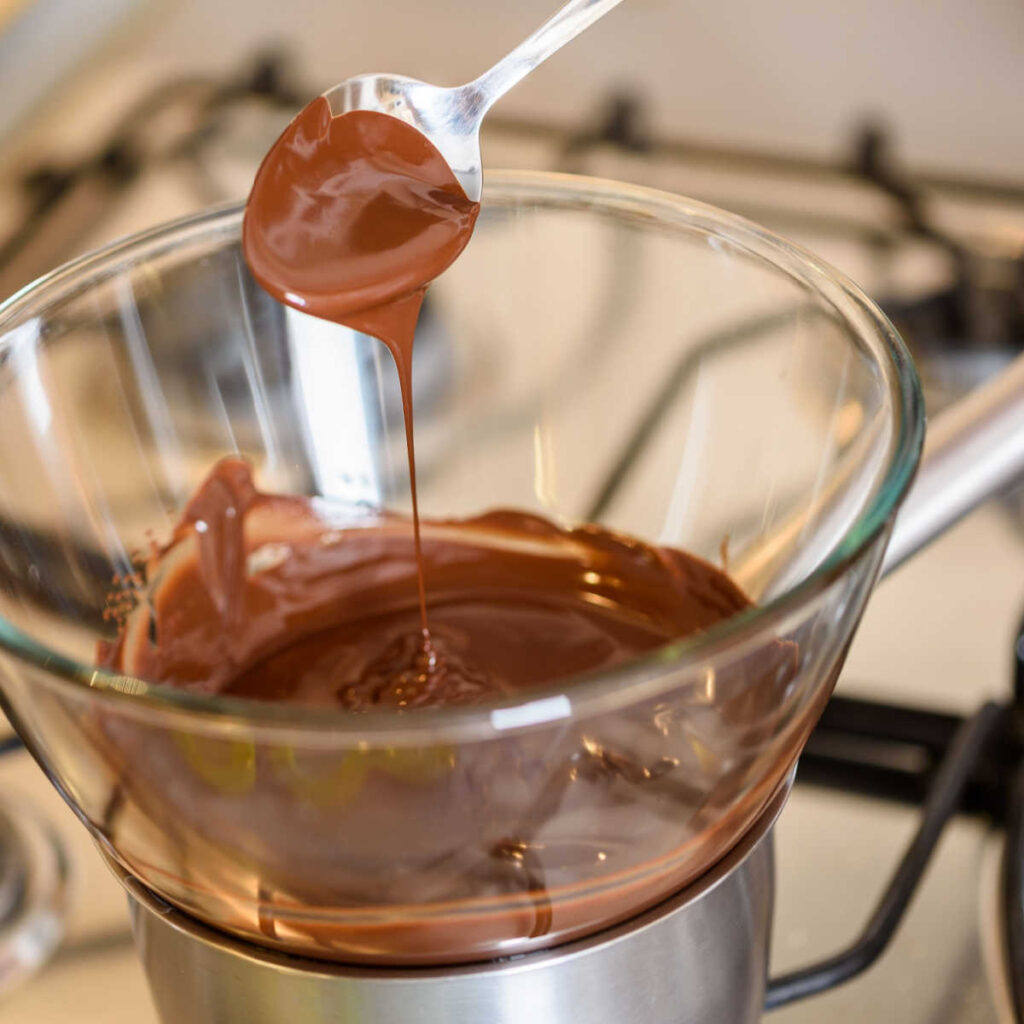
The 42°C Rule: Why Temperature Matters
This is where it gets technical, but stay with me because it's really important. In order to derive these health benefits, raw chocolate—the cacao bean—needs to be processed at a temperature under 42-45°C. Above this temperature, some of those beneficial enzymes and nutrients start to break down.
The traditional process of making chocolate is all about the fermentation of the cacao. This is the process in which any tannins or acidic flavours from the raw cacao bean, direct from the cacao tree, are turned into fruity, chocolate aromas. Fermentation can last for a number of days as the cacao is turned to allow for an even ferment and oxygen is introduced. This takes place either at the farm on the plantation or at a nearby processing plant.
Here's the thing: during traditional fermentation, temperatures usually reach up to 50°C. Cocoa presses used to create cocoa butter involve the butter melting at around 70°C. So you can see the challenge here.
Fermentation of raw chocolate
Here's a tricky balance in raw chocolate production: fermentation is essential for developing flavour, but it also generates heat. Master raw chocolate makers have to find the perfect fermentation time—long enough to develop good flavour but short enough to keep temperatures below that critical 42°C threshold.
Some innovative producers have developed special fermentation boxes with temperature controls, or they ferment in cooler climates where ambient temperatures naturally stay low. This careful attention to detail is part of what makes truly raw chocolate so special—and why it costs more.
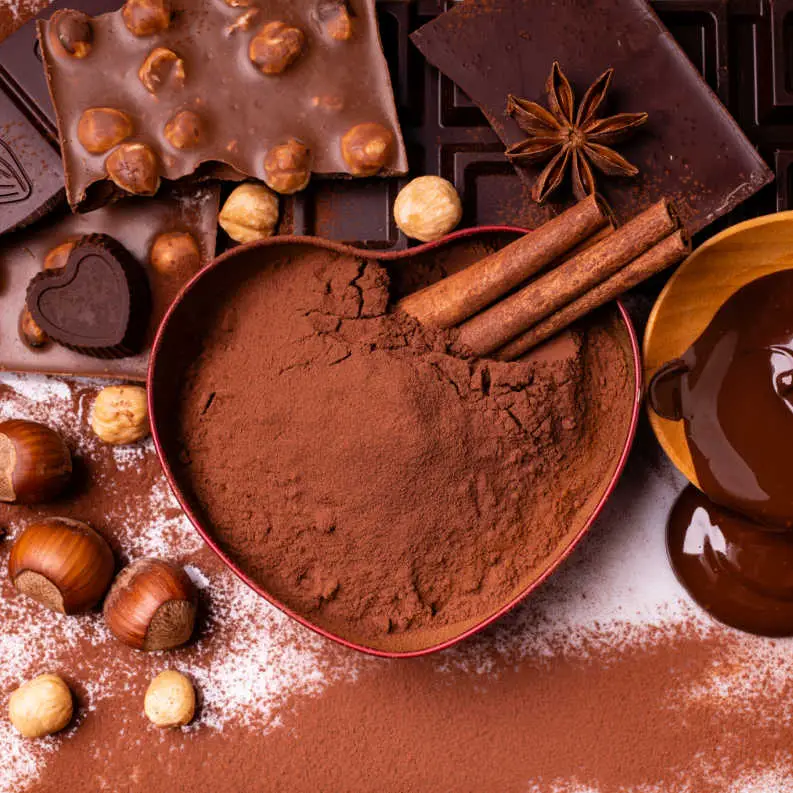
Raw cacao powder
There appears to be a certain amount of scepticism in the chocolate industry that raw cacao powder really can be produced at temperatures under 42°C. It's a valid question, and it's one that raw chocolate producers need to address properly.
This means there's a quality control issue here for manufacturers of raw chocolate to demonstrate that any supposed chocolate health benefits are really in line with the actual processes involved.
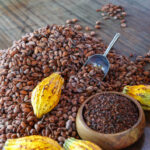
I use raw cacao powder to make my own raw chocolate bars at home and also use it as a great substitute for cocoa powder in making cold puddings. You can, of course use it for baking, but it slightly defeats the object of using raw cacao powder.
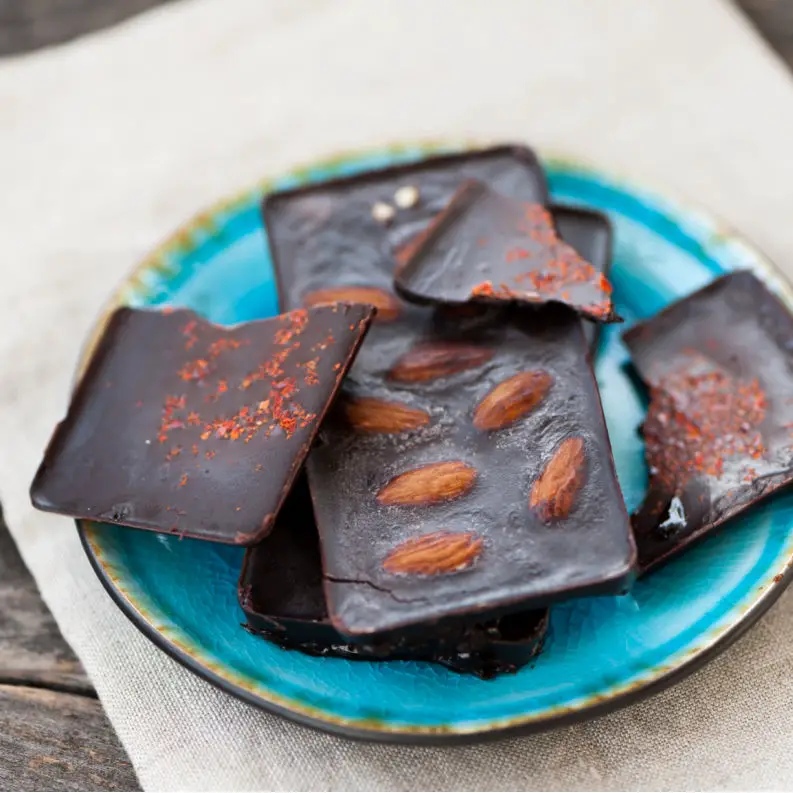
What to Look For When Buying Raw Chocolate
Certification and transparency. The best raw chocolate brands will clearly state their processing temperatures and methods. Look for companies that provide detailed information about their sourcing and production. Some will even have third-party verification.
Organic certification. This isn't strictly necessary for chocolate to be "raw," but many raw chocolate producers also focus on organic farming methods. It's a good sign that they're serious about quality throughout the process.
Fair trade credentials. If you're paying premium prices (which you will be—more on that in a moment), you want to know the farmers are being treated fairly too.
Minimal ingredients. Real raw chocolate should have a very short ingredients list: cacao paste, cacao butter, and perhaps a natural sweetener like coconut sugar or dates. If you see a long list of additives, it's probably not the real deal.
The percentage. Like dark chocolate, raw chocolate will show a percentage. Higher percentages (70% and above) mean more cacao and less sweetener, but they'll also taste more bitter.
What Does Raw Chocolate Actually Taste Like?
There's a practical reason for roasting traditional chocolate as well as helping to develop and enhance the flavour. That's to kill any bacteria. But roasting also creates those rich, complex chocolate notes we're all familiar with.
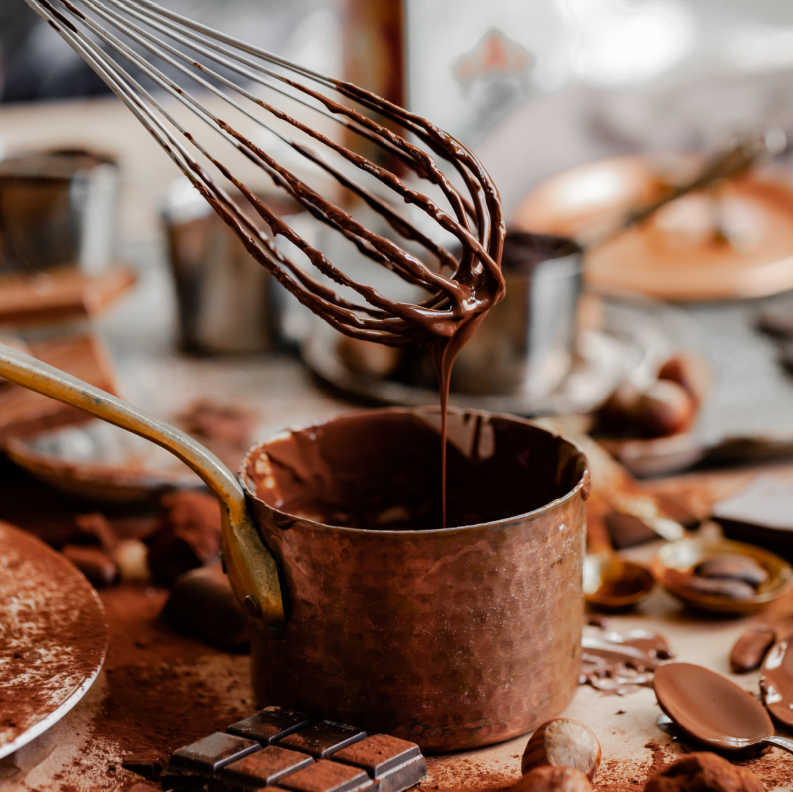
Raw chocolate tastes different. It's got a lighter, milder flavour overall—some people describe it as more "pure" or "clean" tasting. You'll often get fruity or floral notes that you might not notice in roasted chocolate. It can be quite earthy too, with that bitter edge I mentioned earlier.
I think the best way to approach raw chocolate is not to expect it to taste like your favourite chocolate bar. It's its own thing entirely. Some people absolutely love it, whilst others find it a bit too intense. The only way to know is to try it yourself.
If you're new to raw chocolate, I'd suggest starting with one that contains some natural sweetener. Going straight for 100% raw cacao might be a bit of a shock if you're used to milk chocolate!

Is raw chocolate safe to eat?
This is something that worries some people, and it's worth addressing directly. If you think of cacao being left out to ferment and then to dry in the sun under banana leaves, then most of us would probably want to be reassured that any raw chocolate that wasn't roasted at high temperature was properly treated to prevent any possible hygiene risks.
Reputable raw chocolate manufacturers use careful processing methods to ensure their products are safe. The fermentation process itself actually helps to reduce harmful bacteria, and many producers have additional safety steps in place. Still, this is why buying from established, transparent brands matters.
Supporters of raw chocolate claim that dark chocolate may use cacao beans that have been left longer than raw chocolate in the sun to ferment, allowing mycotoxins to develop. Mycotoxins are a form of fungus which appears in fermented substances such as mushrooms and coffee. The theory is that because the cacao beans are harvested almost immediately to make into raw chocolate, without prolonged fermentation, this reduces the risk.
Honestly, mycotoxin levels in chocolate—whether raw or roasted—are generally very low and regulated. It's not something I'd lose sleep over, whether you're eating raw or regular chocolate. The key is buying from manufacturers who follow proper food safety practices.
Raw chocolate prices
Let me be straight with you: raw chocolate isn't cheap. You'll typically pay anywhere from two to four times more than you would for regular dark chocolate. A 70g bar might cost you £4-8, depending on the brand.
Why so expensive? Well, the careful low-temperature processing takes longer and requires more attention. Many raw chocolate brands also focus on single-origin, organic cacao beans, which cost more to begin with. Plus, it's still quite a niche market, so economies of scale haven't kicked in yet.
Is it worth it? That depends on what you're looking for. If you're after the potential health benefits and you genuinely enjoy the taste, then it might be money well spent. If you're just curious, maybe start with a smaller bar to try it out before committing to a bigger purchase.

The Science: What Research Actually Shows
I think it's important to be honest about what we actually know from scientific research. Yes, cacao beans do contain beneficial compounds like flavonoids (a type of antioxidant), minerals and other nutrients. And yes, some studies suggest that high temperatures can reduce certain nutrients.
However, there aren't many large-scale, peer-reviewed studies specifically comparing the health effects of raw versus roasted chocolate in humans. Most of the research looks at the nutrient content rather than actual health outcomes in people who eat raw chocolate regularly.
The studies that do exist suggest that cacao does retain more antioxidants when processed at lower temperatures, but the difference might not be as dramatic as some marketing claims suggest. And interestingly, some research indicates that the fermentation and roasting process can actually make certain beneficial compounds more bioavailable—meaning your body can absorb them more easily.
What does this mean for you? Well, raw chocolate probably does have some nutritional advantages, but it's not necessarily a miracle food. If you enjoy it and it fits your budget, great. But you'll also get health benefits from good-quality dark chocolate that's been traditionally processed.
Storage & shelf life
Raw chocolate needs a bit more care than regular chocolate. Because it hasn't been roasted, and because many raw chocolates don't contain preservatives, it can be more sensitive to temperature and humidity.
Store it in a cool, dark place—ideally between 15-18°C. That's a bit cooler than room temperature but not as cold as your fridge. If you do need to refrigerate it (perhaps in warm weather), wrap it well to prevent it absorbing other flavours and to avoid condensation when you take it out.
Raw chocolate will typically keep for 6-12 months if stored properly, though it's best enjoyed within a few months of opening. You'll know if it's gone off—it'll develop an unpleasant smell or taste.

Where to Buy Raw Chocolate
You'll find raw chocolate in health food shops, some supermarkets (usually in the organic or "free from" section), and online. Some brands to look out for include Ombar, Lovechock, and Raw Halo, though there are lots of artisan producers making excellent raw chocolate now.
I'd also recommend checking out your local farmers' markets. You might find small-batch chocolate makers who are really passionate about their craft and can tell you exactly how their chocolate is made. Plus, they'll often let you try before you buy, which is pretty helpful when you're spending a bit more money.
Online is probably where you'll find the widest selection. Websites like Planet Organic, Whole Foods Market, and specialist raw food retailers stock multiple brands. I also buy raw chocolate from some of my favourite London chocolate shops, especially Liberty's or Selfridges where they have a whole chocolate departments with different chocolate producers.
You can also buy directly from the chocolate makers themselves—many have their own online shops where you'll sometimes find exclusive flavours or special offers.
If you're just starting out, I'd suggest buying a few different brands to compare. They really do taste quite different from each other, depending on where the cacao comes from and how much sweetener they use. What works for one person might not work for another, so it's worth experimenting a bit.

Raw Chocolate vs. Dark Chocolate: A Quick Comparison
I think it's helpful to see how raw chocolate stacks up against good-quality dark chocolate side by side.
Neither is necessarily better, they're just different. I think both have their place, and there's absolutely nothing wrong with enjoying both.
Processing Temperature
- Raw chocolate: Under 42°C throughout
- Dark chocolate: Roasted at 120-150°C
Nutrient Content
- Raw chocolate: Higher levels of certain antioxidants, enzymes, and heat-sensitive vitamins
- Dark chocolate: Still contains antioxidants and minerals, but some are reduced by heat; some compounds become more bioavailable
Flavour Profile
- Raw chocolate: Lighter, more bitter, earthy, fruity or floral notes
- Dark chocolate: Richer, more complex, developed chocolate flavour
Sugar Content
- Raw chocolate: Often unsweetened or lightly sweetened with natural alternatives
- Dark chocolate: Varies widely; check the label
Price
- Raw chocolate: £4-8 for a 70g bar
- Dark chocolate: £1.50-4 for a similar size
Availability
- Raw chocolate: Specialist shops and online mainly
- Dark chocolate: Everywhere
Best For
- Raw chocolate: Those seeking maximum nutrients, natural food enthusiasts, people avoiding refined sugar
- Dark chocolate: Everyday enjoyment, baking, those who prefer traditional chocolate taste
Does raw chocolate mean organic chocolate ?
Not necessarily. Raw refers to the processing temperature, whilst organic refers to how the cacao was grown. That said, many raw chocolate brands do also choose organic certification, so you'll often find them together.
The Environmental and Ethical Side
Many people who are drawn to raw chocolate also care about where their food comes from and how it's produced. The good news is that raw chocolate producers often share these values.
A lot of raw chocolate brands work directly with small cacao farmers, paying fair prices and building long-term relationships. Some even go beyond fair trade standards. Because raw chocolate is a premium product, there's more money in the supply chain to ensure everyone is treated fairly.
You'll also find that many raw chocolate companies are thinking about their environmental impact. They might use minimal packaging, source their ingredients sustainably, or offset their carbon emissions. If this matters to you (and I think it should matter to all of us really), look for brands that are transparent about their practices.
The cacao farming industry has had some serious issues with deforestation and poor working conditions in the past. By choosing chocolate—whether raw or not—from ethical producers, you're supporting a better way of doing things. And that can't be a bad thing!
Raw chocolate is the original chocolate & connection to Aztecs
Raw chocolate actually has deep historical roots. The ancient Mayans and Aztecs, who originally discovered chocolate, consumed cacao in its raw, unroasted form for centuries before Europeans introduced roasting techniques.
They called it "food of the gods" and used cacao beans as currency. The traditional preparation involved grinding raw cacao beans with spices and water to create a bitter ceremonial drink—quite different from the sweet hot chocolate we know today.
So when you eat raw chocolate, you're actually consuming something closer to what these ancient civilizations enjoyed.
Cacao or cocoa in raw chocolate
You might notice that raw chocolate brands often use the spelling "cacao" rather than "cocoa." This isn't just marketing speak—there's actually a meaningful distinction. "Cacao" typically refers to the raw, unprocessed bean and products made from it at low temperatures, whilst "cocoa" usually refers to the roasted version.
The spelling comes from the Spanish transliteration of the original Aztec word "cacahuatl." So if you see "cacao" on the label, it's a good sign you're getting the raw version.
Raw chocolate & your mood
Raw cacao contains several compounds that can affect your brain chemistry in positive ways. It's rich in phenylethylamine (PEA), sometimes called the "love chemical" because your brain releases it when you fall in love. It also contains anandamide, known as the "bliss molecule," which can create feelings of happiness and wellbeing.
Whilst these compounds are present in all chocolate, raw chocolate enthusiasts claim that the unroasted beans contain higher levels. Whether this translates to a noticeable mood boost is debatable, but it's certainly an interesting aspect of raw chocolate's chemistry.
Theobromine in raw chocolate
Cacao contains a compound called theobromine, which is similar to caffeine but has a gentler, longer-lasting effect. A typical piece of raw chocolate contains about 250mg of theobromine, compared to roughly 40mg in the same amount of milk chocolate.
Theobromine can boost energy, improve focus, and even act as a mild appetite suppressant. It's also the reason why chocolate is toxic to dogs—they can't metabolise theobromine effectively. Interestingly, because raw chocolate hasn't been roasted, some of the theobromine structure remains more intact, potentially making it more bioactive.
Single-origin raw chocolate is like wine tasting
Just as wine enthusiasts can taste differences between grapes from different regions, raw chocolate lovers can detect distinct flavour notes depending on where the cacao beans were grown.
Single origin chocolate beans from Madagascar might have fruity, citrus notes, whilst Peruvian cacao can taste more earthy and nutty. Because raw chocolate hasn't been roasted, these subtle regional characteristics come through more clearly.
Some artisan raw chocolate makers even produce single-estate bars, where all the beans come from one specific farm - these kind of chocolate bars are truly special (and quite rightly the most expensive!).
Magnesium in raw chocolate
Raw cacao is one of the highest natural sources of magnesium—a mineral that many people don't get enough of. A 30g serving of raw chocolate can contain around 65-80mg of magnesium, which is about 20% of your daily needs.
Magnesium is essential for over 300 biochemical reactions in your body, including muscle and nerve function, blood sugar control, and bone health. Some people even report that eating a square of raw chocolate helps with muscle cramps or pre-menstrual tension, likely due to this high magnesium content.
Raw chocolate in the beauty world
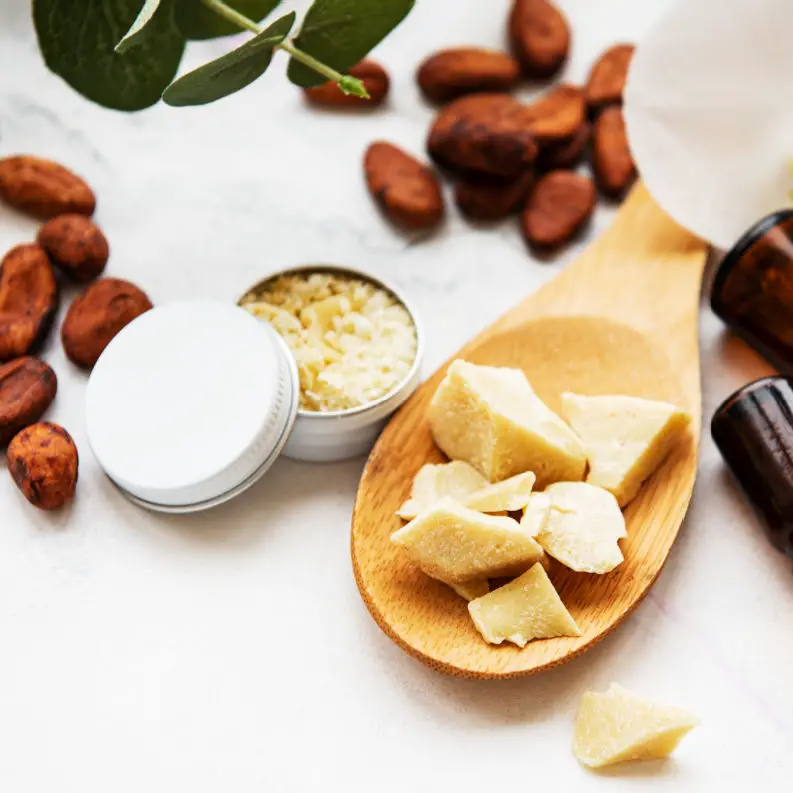
The antioxidants and beneficial fats in raw cacao have made it popular in natural beauty products. You'll find raw cacao butter in high-end moisturisers, lip balms, and hair treatments. Some spas even offer raw chocolate facials and body wraps.
The polyphenols in raw cacao are thought to protect skin from sun damage and improve skin elasticity. So if you can't bring yourself to eat raw chocolate because of the taste, you might still enjoy its benefits in your skincare routine!
This blog post was originally written on 21 February 2016 and last updated on 11 February 2026



Leave a Reply